Blog
Explore a selection of decodable stories inspired by June Lyday Orton’s A Guide to Teaching Phonics (1976, The Orton Reading Center). The stories begin with the short vowel a and the five consonants, b, s, f, m, t and continue to introduce one new concept at a time, as is typically done when using the Orton-Gillingham Approach. Therefore, readers should start with the oldest post first for the simplest of stories. We’ll be posting new stories regularly!
-
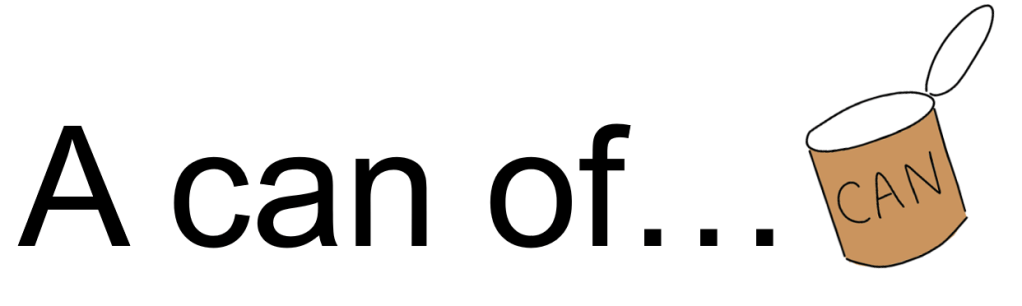
The letter k by itself will not be introduced until the short ĭ is introduced. This is because the letter c is the most common symbol for our /k/ sound. The letter k is used before an i, e, and y. However, the letter formation of the k can be tricky, so this is a…
-

This story focuses again on the letter c making the /k/ sound. Later in the sequence, students will learn that it can also make the /s/ sound before an i, e, y. For struggling readers, this concept is too advanced to introduce now.
-

The letter c makes two sounds, but only the /k/ sound is introduced at this level. As a student reads the story, show them that the letter c is staying constant in the words, Cam, cat, can, and cap. Only the ending sounds are changing. In addition, June Orton continues to only use the short…
-

It’s another word chart! June Orton’s “Phonics Lesson 3” introduced the following phonograms: r, g, and d. It’s important for students to practice reading words in isolation to help develop reading fluency. Some students will need to start with words like those above on index cards. Eventually, they should be reading from charts like the…
-

The word “bad” can be very problematic for some students that struggle with the b/d reversal. Again, it might be necessary to implement additional multisensory techniques to help with this. Remind students that proper letter formation of the letters b and d is key to helping with reversals. The above story uses a lot…
-

As the students become better “decoders”, they will often misread the small red words like “on” for “in” or “a” for “the”. They are highlighted here in red. Gently let them know about the error, and model the passage for them. Fluency is gained by often re-reading passages 3-5 times.
Subscribe
Enter your email below to receive updates.
 SBN Dyslexia et cetera