Blog
Explore a selection of decodable stories inspired by June Lyday Orton’s A Guide to Teaching Phonics (1976, The Orton Reading Center). The stories begin with the short vowel a and the five consonants, b, s, f, m, t and continue to introduce one new concept at a time, as is typically done when using the Orton-Gillingham Approach. Therefore, readers should start with the oldest post first for the simplest of stories. We’ll be posting new stories regularly!
-
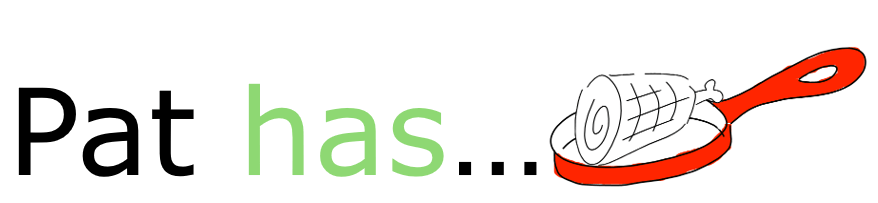
The word has was used in several of the initial stories in this blog. I made it a “red word” since the student had not yet learned the phonogram, h. In addition, the letter s in has two sounds – /s/ and /z/ – which can be a challenging concept for some young students to…
-

Speech sounds are classified as voiced and unvoiced. Ask a student to watch your mouth as you say the /b/ sound or the word ball. Then, ask them to watch you say the /p/ sound or the word pig. The placement of your lips is the same, but the /p/ is unvoiced and produces air…
-

“The phonics lessons usually start with the a card for the short-a sound (apple /a/) and with four or five consonant cards for letters which have only a single sound, are not easily confused with one another, and can be combined to form several phonetic three-letter words that the pupils know by ear……Other groups of…
-
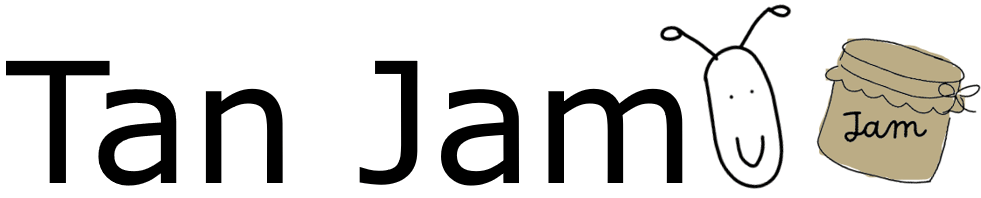
Now that the students have had practice with the red words, has and a, we will take away the red color in the font to pave the way for new red words in subsequent stories. Also, remember to monitor letter formation if students are starting to write some of the decodable words! Many students write…
-

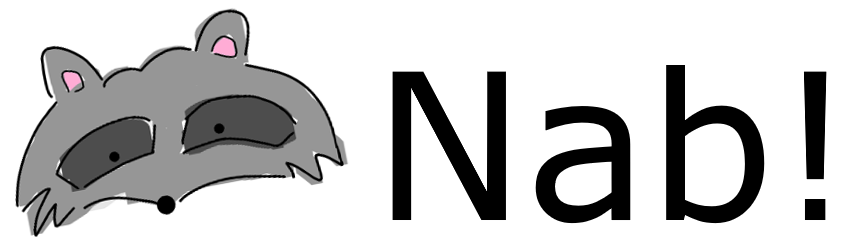
The consonant n was introduced in the previous story entitled, Nab. Unlike the letters j and h, the letter n can be at the beginning and at the end of a word. It is important to point this out to young students so they begin to understand what happens when we manipulate the letters and…
-
June Orton recommended Florence Akin’s Word Mastery to the tutors she was training. She did not use Anna Gillingham’s manual. (The History of the Orton-Gillingham Approach; OGA’s Academy News, Winter/Spring 2024). Florence Akin’s Word Master was published in 1913 and can still be found online today!
Subscribe
Enter your email below to receive updates.
 SBN Dyslexia et cetera