
Tag: Decodable texts
-

The only vowel sound presented so far with the selected decodable words is the short a, and it has been combined with only five single consonants: b, s, m, f, and t. The next phonogram in Orton’s sequence is the h. It is interesting to note that one can only begin a word or syllable…
-

Red words are sometimes referred to as sight words, learned words, and memory words. Some red words will eventually be decodable by students as they continue with this scope and sequence. Others will always be referred to as red words. Students learn red words by writing them out, saying each letter (not letter sound), and then saying the word. They must…
-
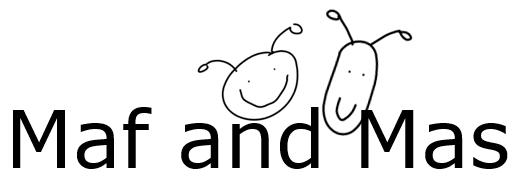
It is important to expose young students to some nonsense words as they read because it strengthens their decoding skills. One can explain to a child that “mas” is not a word, but it is part of a word like “mascot.” Why not ask them to draw their own version of Maf and Mas?
-

Sam is no longer a child, but a bat in this story. This story uses additional words from the same five phonograms presented earlier in the week. It also includes the high frequency red words a and on. Some students will benefit from reading the lines as separate sentences. Others might be ready to read…
-

June Orton states in her A Guide to Teaching Phonics: “Many of the consonant letters are somewhat alike and therefore may be confusing to the pupils. Letters similar in sound, such as the voiced and unvoiced pairs (b-p, v-f, d-t) or similar in configuration (b-d, n-h, m-n), should be presented separately but later reviewed together…
-
June Orton’s A Guide to Teaching Phonics, affectionately known to many as The Little Yellow Book, uses a scope and sequence written for struggling readers, based on her decades of work with her husband, Dr. Samuel Orton. Her beginning Phonics Lesson, known as Phonics Lesson 1: Short Vowel a, uses only five single consonant sounds (b, s, f,…
 SBN Dyslexia et cetera