Tag: Learning Disability
-
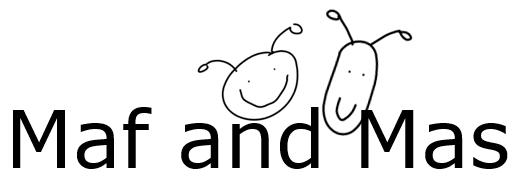
It is important to expose young students to some nonsense words as they read because it strengthens their decoding skills. One can explain to a child that “mas” is not a word, but it is part of a word like “mascot.” Why not ask them to draw their own version of Maf and Mas?
-

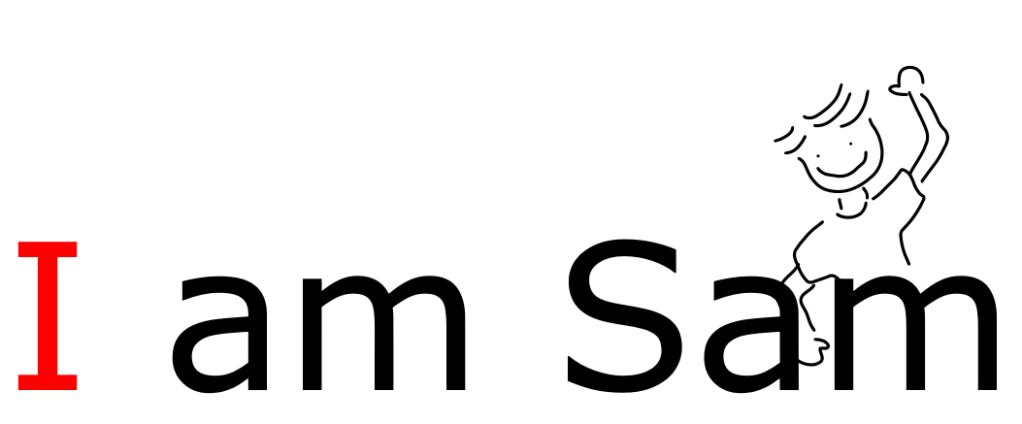
Sam is no longer a child, but a bat in this story. This story uses additional words from the same five phonograms presented earlier in the week. It also includes the high frequency red words a and on. Some students will benefit from reading the lines as separate sentences. Others might be ready to read…
-

June Orton states in her A Guide to Teaching Phonics: “Many of the consonant letters are somewhat alike and therefore may be confusing to the pupils. Letters similar in sound, such as the voiced and unvoiced pairs (b-p, v-f, d-t) or similar in configuration (b-d, n-h, m-n), should be presented separately but later reviewed together…
-
June Orton’s A Guide to Teaching Phonics, affectionately known to many as The Little Yellow Book, uses a scope and sequence written for struggling readers, based on her decades of work with her husband, Dr. Samuel Orton. Her beginning Phonics Lesson, known as Phonics Lesson 1: Short Vowel a, uses only five single consonant sounds (b, s, f,…
 SBN Dyslexia et cetera