Tag: Science of Reading
-

The word “bad” can be very problematic for some students that struggle with the b/d reversal. Again, it might be necessary to implement additional multisensory techniques to help with this. Remind students that proper letter formation of the letters b and d is key to helping with reversals. The above story uses a lot…
-
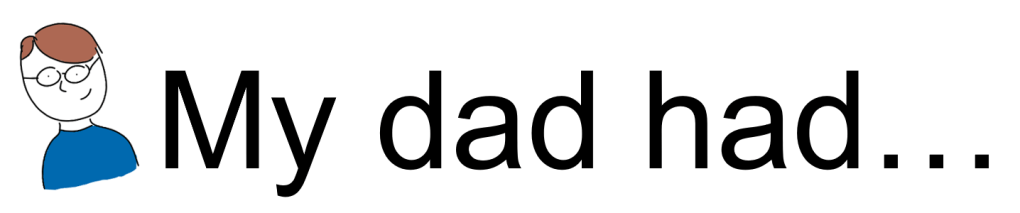
As the students become better “decoders”, they will often misread the small red words like “on” for “in” or “a” for “the”. They are highlighted here in red. Gently let them know about the error, and model the passage for them. Fluency is gained by often re-reading passages 3-5 times.
-

As the student practices reading words with the letter d, I tend to avoid using words that begin or end with a b until the student is reading fluently. Although the word “my” is still a red word, I have changed the color to black since this sequence of stories has used it quite often. …
-

June Orton’s scope and sequence waits to introduce the phonogram d, until the student has had much practice with the b. Although struggling students might exhibit other reversals such as p/q and m/w, the b/d reversal is the most common. For some students, this stubborn reversal will require additional multisensory exercises to help with remediation.…
-

The Lesson Plan used with the Orton-Gillingham Approach contains several drills. They include Handwriting, Visual, Auditory, Phonemic Awareness, Blending, Whole Word Reading, Simultaneous Oral Spelling, and Oral Passages that include sentences and decodable stories like the one above. For more information on how this works, contact me here.
-

The word “see” is a common sight word on elementary school reading lists. The word is actually decodable when the student learns the phonogram “ee”, but that phonogram is taught much later in the sequence. For now, it will remain a red word.
-

As students become better at decoding, they often will begin misreading the small words like “in”, “on”, “a”, “the.” Gently correct them if they do and encourage them to track with a pencil, index card, or their finger as they read. Those words are highlighted here.
-

So far, the student has been presented with the following phonograms: a, b, s, f, m, t, h, j, n, p, l, r, g. Since the “d” is next in the scope and sequence, it is suggested that the student continue practicing the correct letter formation for the letter “b” while saying its corresponding sound…
-
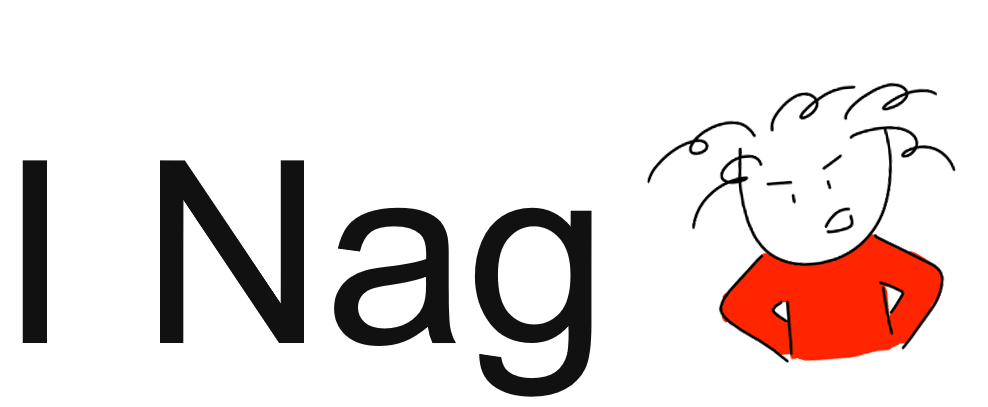
The word “nag” is not very common with young students, but take the opportunity to teach them vocabulary as you teach them how to decode. One can explain that it means “to scold” or “give someone a hard time.”
-

The next word in Orton’s scope and sequence is the phonogram g as in the word “gate.” Although the g has two sounds – /g/ and /j/, only the most common hard /g/ is taught this early in the scope and sequence. Note that the “w” and the “th” found in the word “with”…
 SBN Dyslexia et cetera