Blog
Explore a selection of decodable stories inspired by June Lyday Orton’s A Guide to Teaching Phonics (1976, The Orton Reading Center). The stories begin with the short vowel a and the five consonants, b, s, f, m, t and continue to introduce one new concept at a time, as is typically done when using the Orton-Gillingham Approach. Therefore, readers should start with the oldest post first for the simplest of stories. We’ll be posting new stories regularly!
-

The letter “y” can be tricky for some students, since the beginning sound is a /w/, which they recently learned. The use of a key word helps with this; the instructor can say “y”, “yellow”, “/y/.”
-

The letter “v” is also introduced later in the scope and sequence since it is not very common. Students can use the word “vase” as a key word and practice the new decodable words, “vat”, “van”, and “Val.” Some students will be ready to talk about the difference between the learned words “to”, and “too”…
-

The letter “w” is introduced after most other consonants since it’s not as common as the others. June Lyday Orton uses “wagon” as a key word to introduce it. For example, the student can say the letter name, the key word, and the sound: “w”, “wagon”, /w/. As students become better at decoding, they might…
-

A new red or learned word, for, is introduced here. Once the r-controlled sounds are introduced later in the sequence, this will become a decodable word. It’s important to remember that a scope and sequence will influence the order in which red or learned words are introduced. Once a word like for is introduced, it…
-
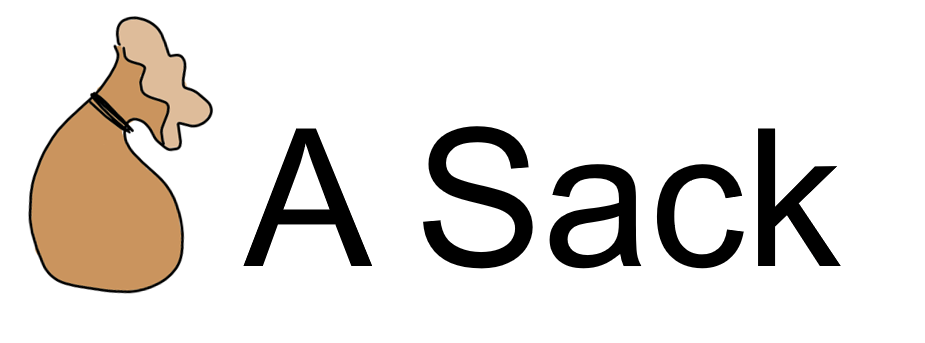
Some experts might not introduce the -ck phonogram for the /k/ sound until later in their scope and sequence. However, I have found that when paired with only the short a, students pick it up quickly.
-

If your student is still sounding out most of the words, a phonological processing disorder might be the issue. David Kilpatrick’s book, Equipped for Reading Success, has been a tremendous help with students.
Subscribe
Enter your email below to receive updates.
 SBN Dyslexia et cetera